Sustainability At The Heart Of Every Drop
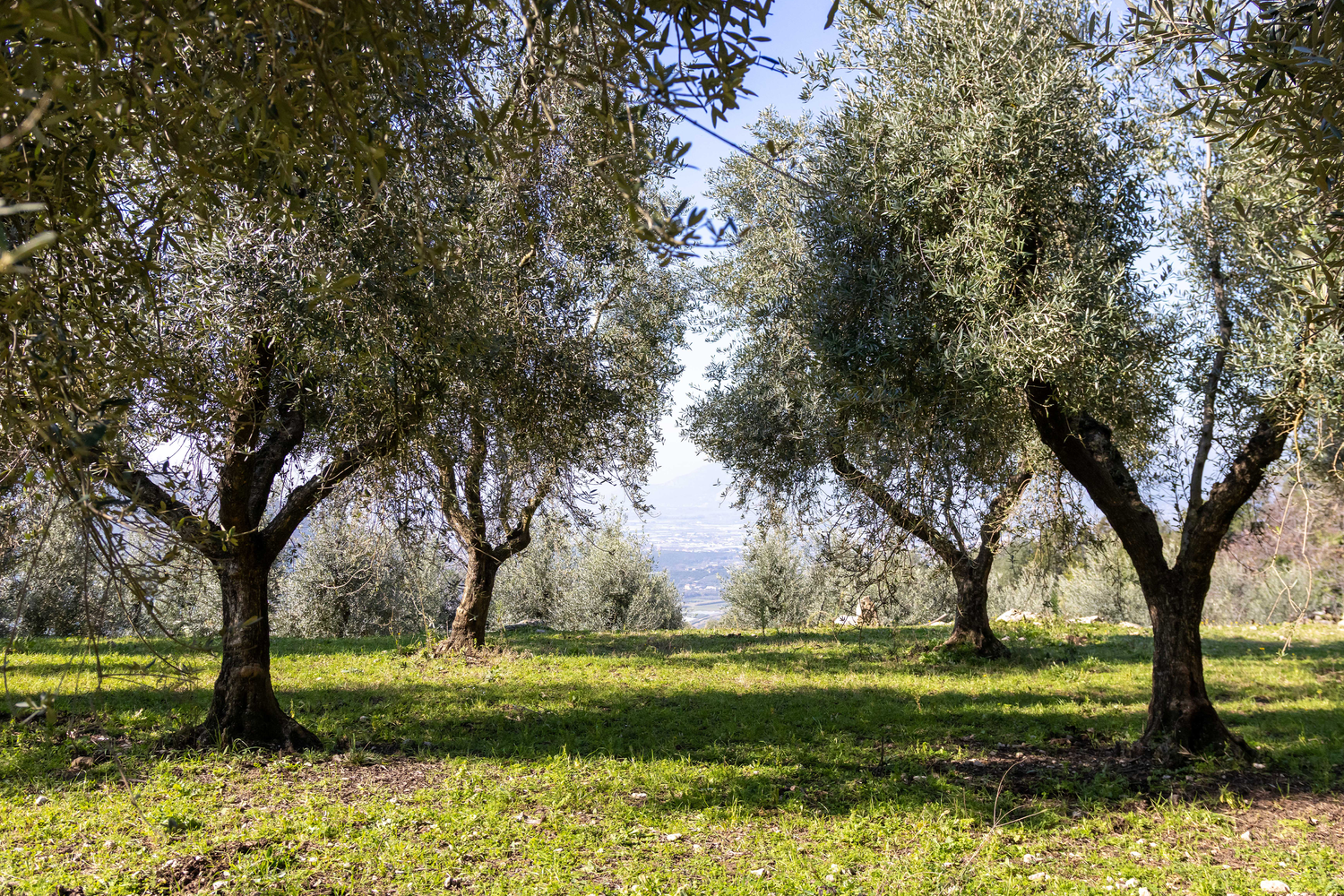
At Botticelli, great olive oil starts long before it reaches your kitchen. It begins in the groves, with the land, the trees, and the people who tend them. That’s why we prioritize sustainability at every stage of the process. From how the olives are washed to how the bottles are made, every drop is crafted with care for the planet.
Waste Into Energy
The olive milling process produces natural by-products like pits and pulp. Instead of discarding them, these materials are transformed into clean, renewable energy. This energy powers essential systems at the mill, turning what once was “waste” into a closed-loop source of power. It’s nature fueling nature.
Plant Water Heater Powered by Olive By-Products
One of the biggest energy demands in production is hot water. At our facilities, this heat doesn’t come from fossil fuels; it comes from olive remnants. By burning olive by-products cleanly, the plant produces enough thermal energy to power its water-heating system, significantly reducing reliance on non-renewable sources.
Water Conservation
Olives need to be washed before milling, but instead of sending used water down the drain, we treat it with an advanced recovery system. This technology purifies and recycles the wash water so it can be reused safely. The result: drastically lower water waste and a smarter, circular use of one of our planet’s most precious resources.
Renewable Power
The entire production plant operates on 100% solar energy. From the milling equipment to the administrative offices, everything is powered by the sun. Using renewable power greatly reduces carbon emissions and keeps the entire operation running clean, even at peak harvest.
Packaging Responsibility
Sustainability doesn’t stop at production. Our outer cases are crafted from recycled materials, supporting a more circular packaging cycle. By choosing recycled content, we reduce waste, lower our carbon footprint, and give existing materials a second life instead of demanding new ones.
Circular Agriculture
Even the grove floor gets a sustainable upgrade. Tree trimmings, olive pits, and other milling waste are processed and transformed into nutrient-rich fertilizer. This fertilizer is then enhanced with organic inputs to nourish the soil naturally, supporting healthier trees, richer biodiversity, and long-term agricultural health.
Clean Operations
Out in the groves and inside the production facilities, machines run on battery power instead of fuel. This means cleaner air, quieter harvesting, and a dramatically reduced environmental footprint. Battery-operated equipment ensures safe, sustainable, and efficient processing from branch to bottle.