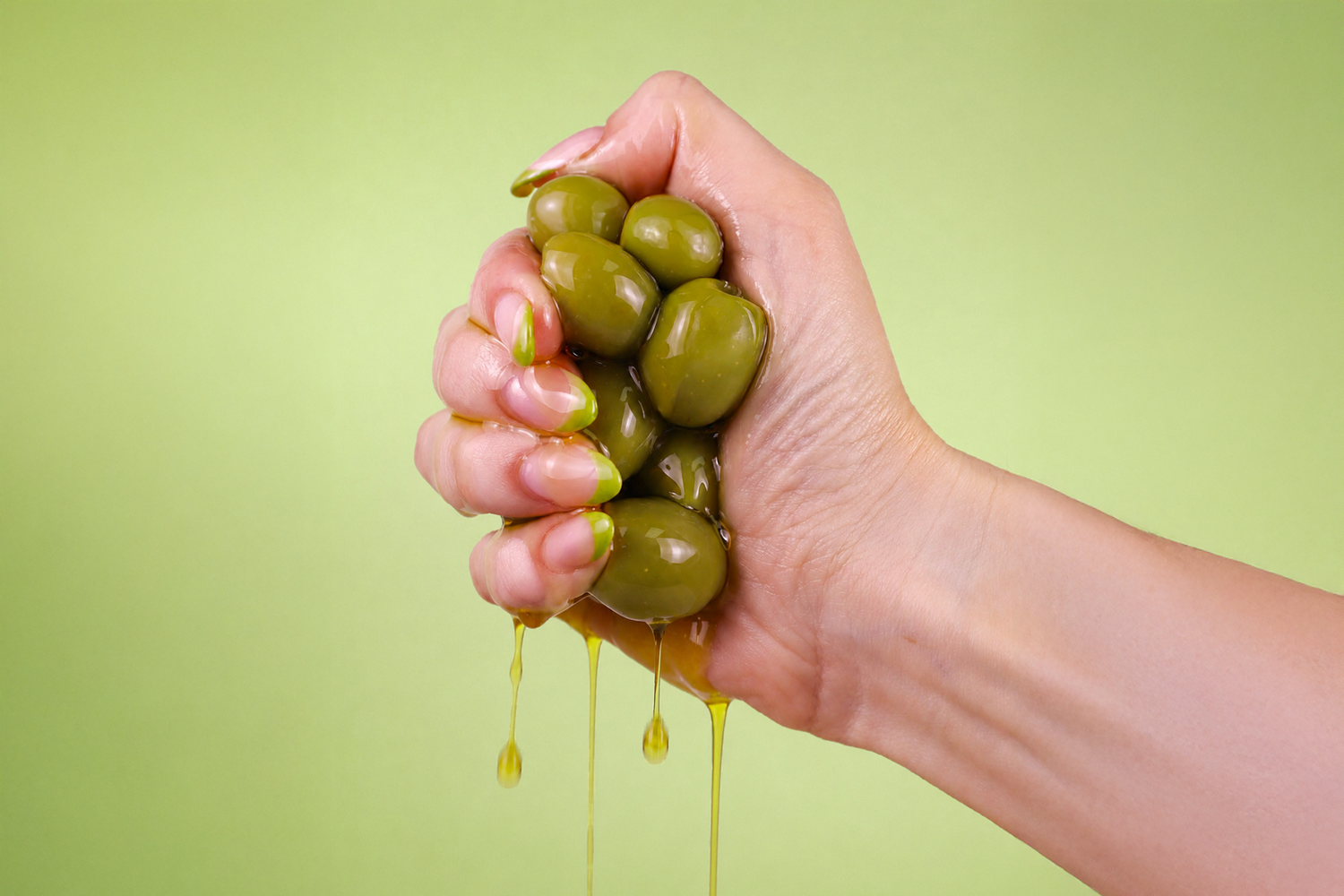

Not all olive oils are created equal. While many bottles may look similar on the shelf, the difference between high-quality extra virgin olive oil (EVOO for short) and defective oil becomes obvious once you know what to look for.
From aroma and flavor to texture and finish, exceptional olive oil tells a story through the senses. At Botticelli Foods, we believe consumers should feel confident recognizing the characteristics of premium EVOO and understanding the warning signs of lower-quality oils. Here's how to identify the qualities that define truly exceptional olive oil.
WHAT DEFINES HIGH-QUALITY EXTRA VIRGIN OLIVE OIL
Authentic extra virgin olive oil should taste vibrant, balanced, and alive. Freshness is one of the clearest indicators of quality, and great EVOO typically delivers a combination of fruitiness, bitterness, and pepperiness that work in harmony.
These characteristics are not flaws; they are signs of carefully harvested olives and properly produced oil.
FRESH AND FRUITY AROMAS
One of the things you should notice in premium olive oil is freshness. High-quality EVOO often carries aromas reminiscent of green grass, tomato leaf, fresh herbs, or green olive. These vibrant notes come from olives harvested at the right stage of ripeness and processed quickly after picking.
Fresh aromas are a strong indication that the oil has preserved its natural compounds and flavor integrity.
WHY BITTERNESS IS ACTUALLY A GOOD SIGN
Many people mistakenly assume bitterness is undesirable in olive oil. In reality, balanced bitterness is one of the hallmarks of quality Extra Virgin Olive Oil.
That slightly bitter sensation comes from naturally occurring polyphenols - antioxidant compounds that contribute both flavor complexity and stability. Oils with balanced bitterness are often produced from olives harvested earlier in the season when flavor compounds are at their peak. Rather than tasting harsh, quality EVOO should feel clean, structured, and pleasantly layered.
THE MEANING BEHIND A PEPPERY FINISH
Ever feel a slight peppery sensation in the back of your throat after tasting olive oil? That's actually a positive sign.
This characteristic is attributed to oleocanthal, a natural polyphenol found in fresh extra virgin olive oil. A peppery finish indicates freshness, careful processing, and strong antioxidant presence. In premium olive oils, the pepperiness should feel balanced and pleasant, not overwhelming.
CLEAN AND BRIGHT FLAVOR MATTERS
A well-crafted EVOO will feel bright and smooth on the palate without heavy, stale, or greasy aftertastes. The absence of off-aromas or lingering heaviness often reflects proper harvesting, milling, and storage practices.
At Botticelli, every olive oil is evaluated through sensory analysis to ensure it maintains the clean and balanced profile consumers expect from premium EVOO.
COMMON SIGNS OF LOW-QUALITY OLIVE OIL
Just as premium olive oil has recognizable positive traits, defective oils often reveal themselves through unpleasant aromas and flavors. Understanding these common defects can help consumers avoid poor-quality oils and make more informed choices.
RANCID OR OXIDIZED OIL
Rancidity occurs when olive oil is exposed to oxygen, heat, or light for extended periods.
Defective oils may smell like crayons, stale nuts, or old cooking oil. On the palate, they often taste flat, greasy, and lifeless without freshness or complexity. Oxidation is one of the most common indicators of improperly stored olive oil.
MUSTY OR MOLDY AROMAS
Musty defects are typically caused by poor storage of olives before pressing. If olives sit in damp conditions for too long, the resulting oil can develop aromas resembling wet cardboard, damp basements, or mildew. These sensory flaws overpower the natural freshness that defines quality EVOO.
FUSTY OR FERMENTED NOTES
When harvested olives sit too long before processing, fermentation can begin. This defect produces overripe, fermented-fruit aromas that feel heavy and unpleasant rather than fresh and vibrant. Proper timing between harvest and milling is critical to preserving olive quality.
WINEY OR VINEGARY FLAVORS
Sour or vinegar-like flavors often result from uncontrolled fermentation during olive storage or production. Instead of clean brightness, these oils may taste sharp, acidic, or slightly spoiled.
WHY SENSORY EVALUATION MATTERS
Olive oil quality is not determined by packaging alone. True evaluation comes through sensory analysis- the careful assessment of aroma, flavor, mouthfeel, and finish. At Botticelli Foods, sensory testing is a critical part of our quality process. Every batch is evaluated to ensure it meets the standards expected from premium extra virgin olive oil.
CHOOSING OLIVE OIL WITH CONFIDENCE
Understanding the difference between fresh, balanced EVOO and defective oil empowers consumers to cook with greater confidence. The more everyone understands olive oil, the easier it becomes to appreciate the craftsmanship behind every bottle.
Check out our Occasion-Based Extra Virgin Olive Oils HERE, where you can tap into quality EVOO crafted for all your cooking needs.